Introduction
Welcome to this video on how we produce product documentation at Cognite. We’ll look at the AI-powered system that helps us plan, write, and publish content that serves both human readers and AI agents.Three layers power our documentation system
Our documentation system is built on three layers: AI coding assistants, our content framework called CogDocs, and Mintlify for publishing. Together, they allow us to scale content production while maintaining high standards.AI coding assistants: the content production engine
AI coding assistants like Claude Code and Cursor serve as our production engine. By referencing our codified standards, they can draft content that is on-voice and structurally correct, all while maintaining full repository context.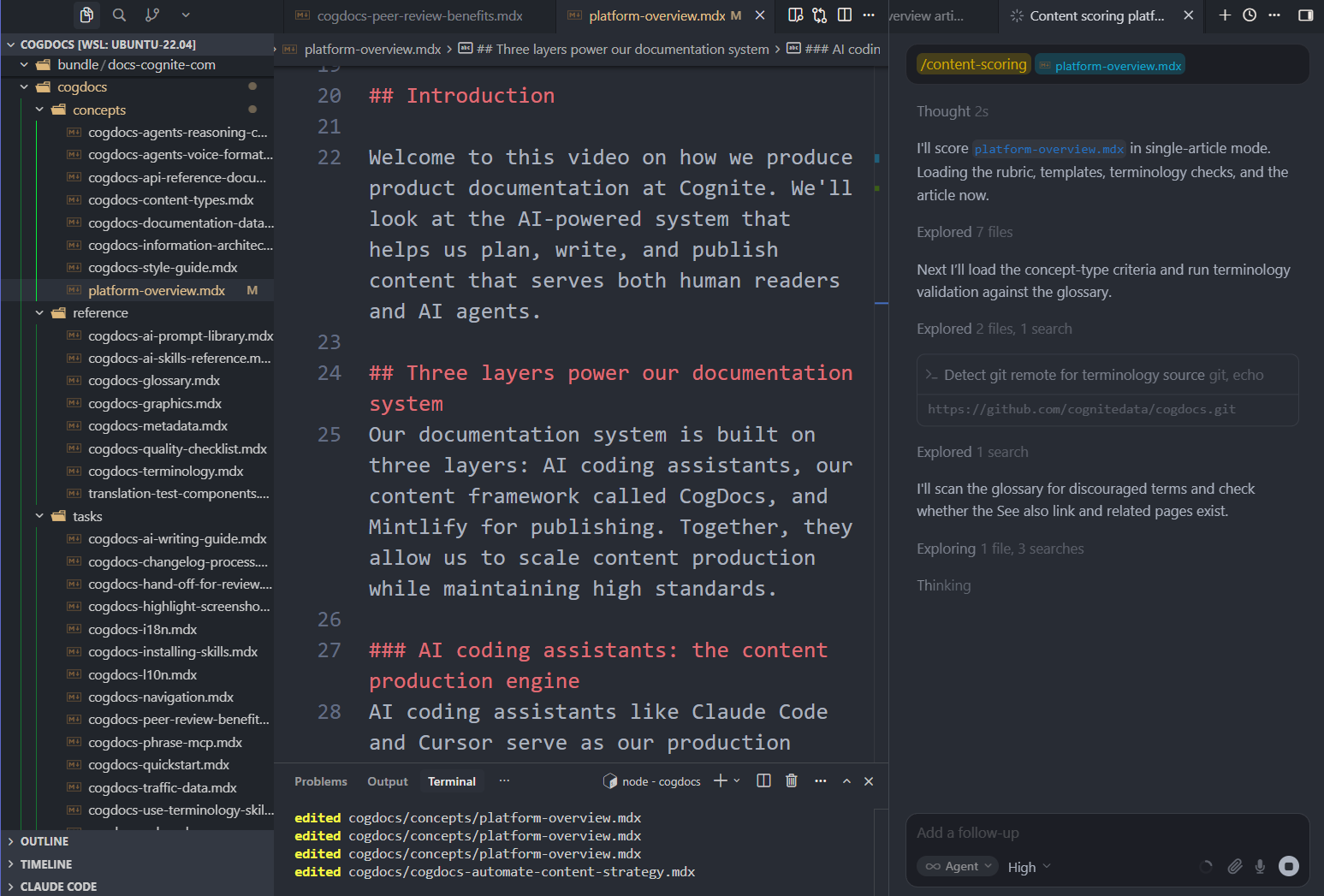
CogDocs: the content framework
CogDocs is our foundational content framework. It defines our seven content types and metadata standards. This ensures that every piece of documentation is consistent, discoverable, and optimized for both human search and AI accuracy.Mintlify: the publishing foundation
Mintlify powers our publishing. By treating documentation as code within our GitHub repository, we enable automatic builds and deployments. It also provides built-in AI features like search and MCP server generation.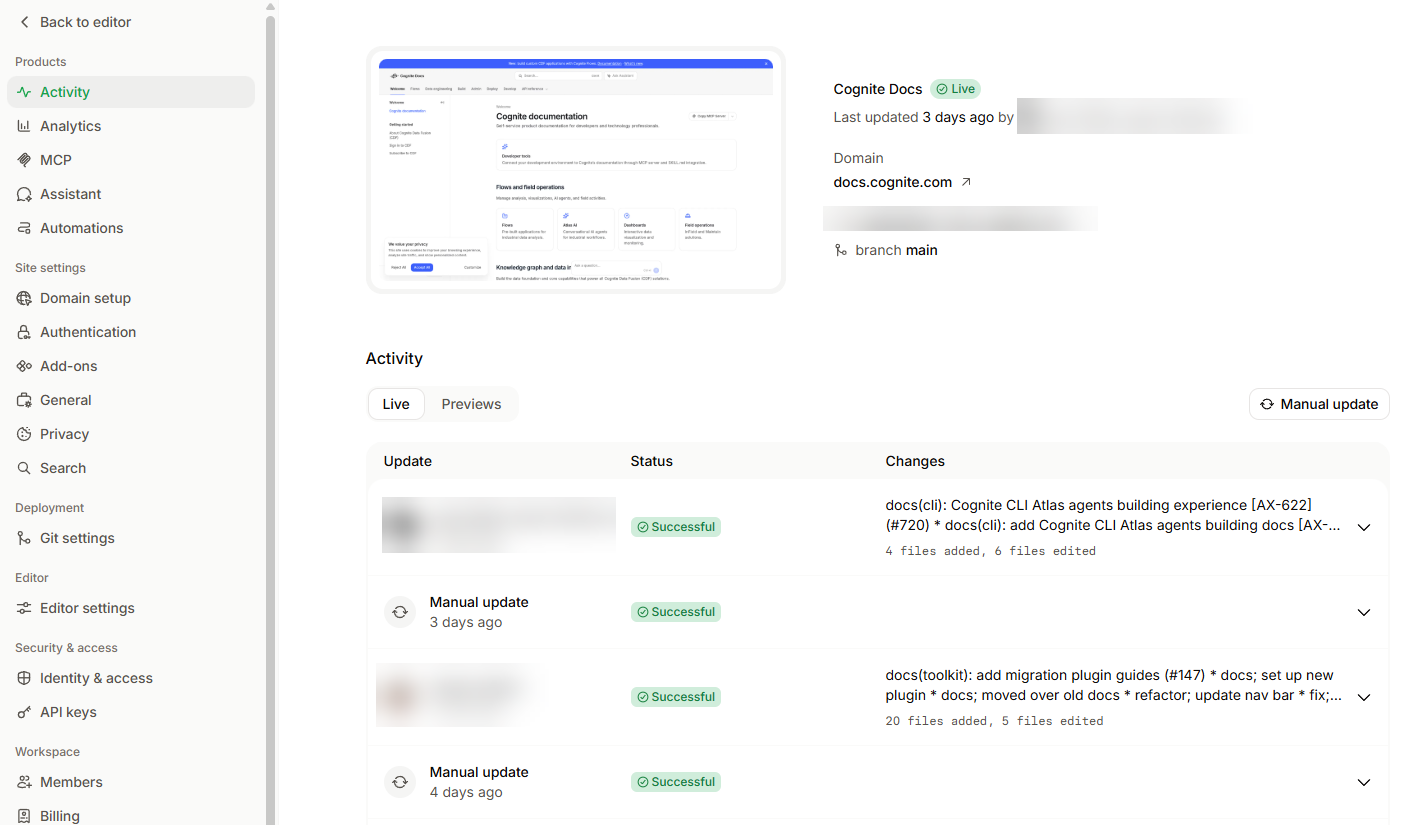
AI skills across the content lifecycle
We use four distinct AI skills across the content lifecycle: planning for scope, writing for structure, scoring for quality, and enforcing terminology. These skills ensure quality remains consistent across all our content sets.Planning skill example
Here is an example of the planning skill in action. When starting a new article, the AI prompts the writer with questions about the audience and potential gaps in our existing documentation before drafting begins.Writing skill example
Once the plan is set, the writing skill generates a draft in one pass. It automatically applies our required structure, includes necessary front matter, and adds relevant cross-links.Scoring skill example
The scoring skill then provides a five-dimension quality review. It highlights areas for improvement, offering specific, actionable feedback to ensure the content meets our high standards.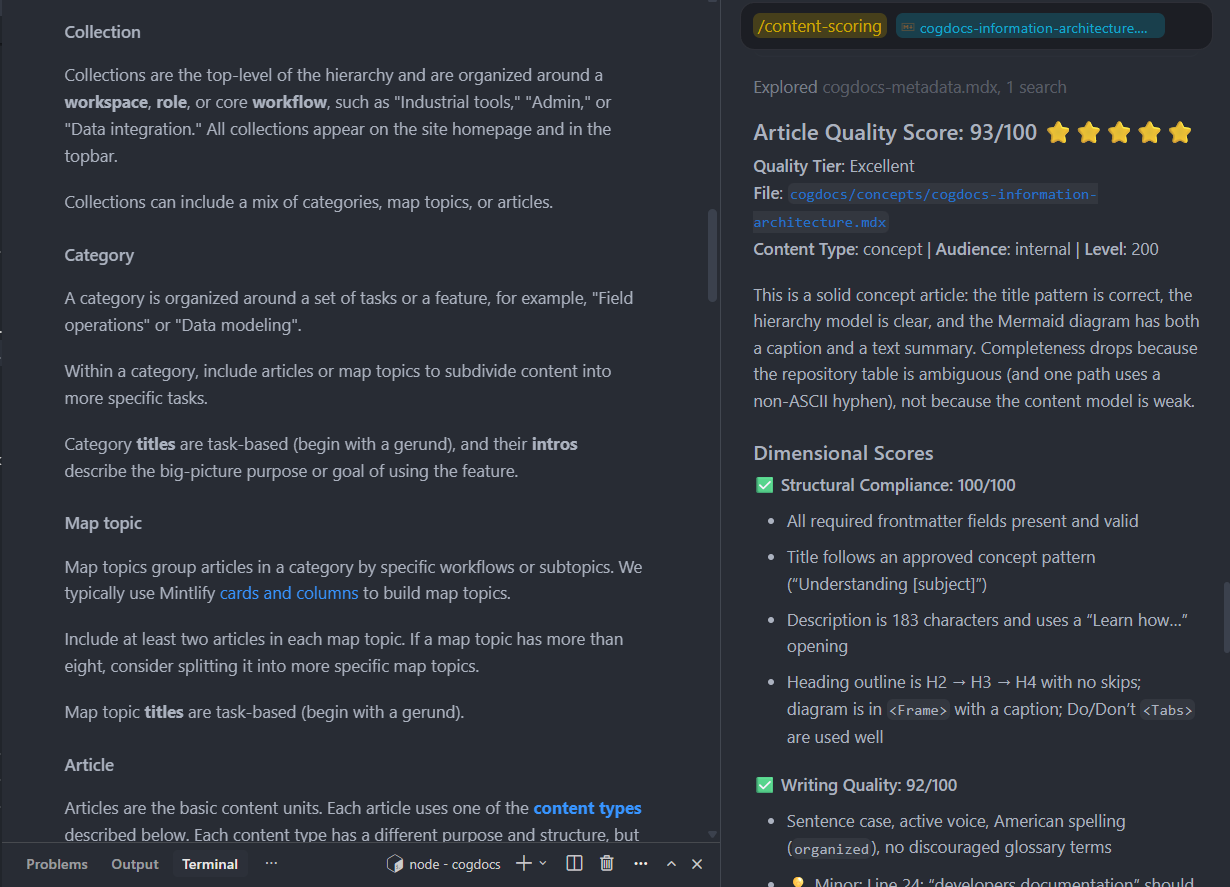
Terminology skill example
Finally, the terminology skill enforces our glossary. It catches discouraged terms, suggests approved alternatives, and surfaces definitions inline to keep language consistent throughout our documentation.One glossary, reused everywhere
Our glossary is a shared source of truth. By reusing these terms across localization, product labels, and training materials, we ensure that a term means the same thing no matter where it appears.One source, two audiences
Ultimately, our repository serves two audiences. Humans get a clean, searchable website, while agents get machine-readable artifacts like SKILL.md and MCP servers, all derived from the same source.AI-driven localization
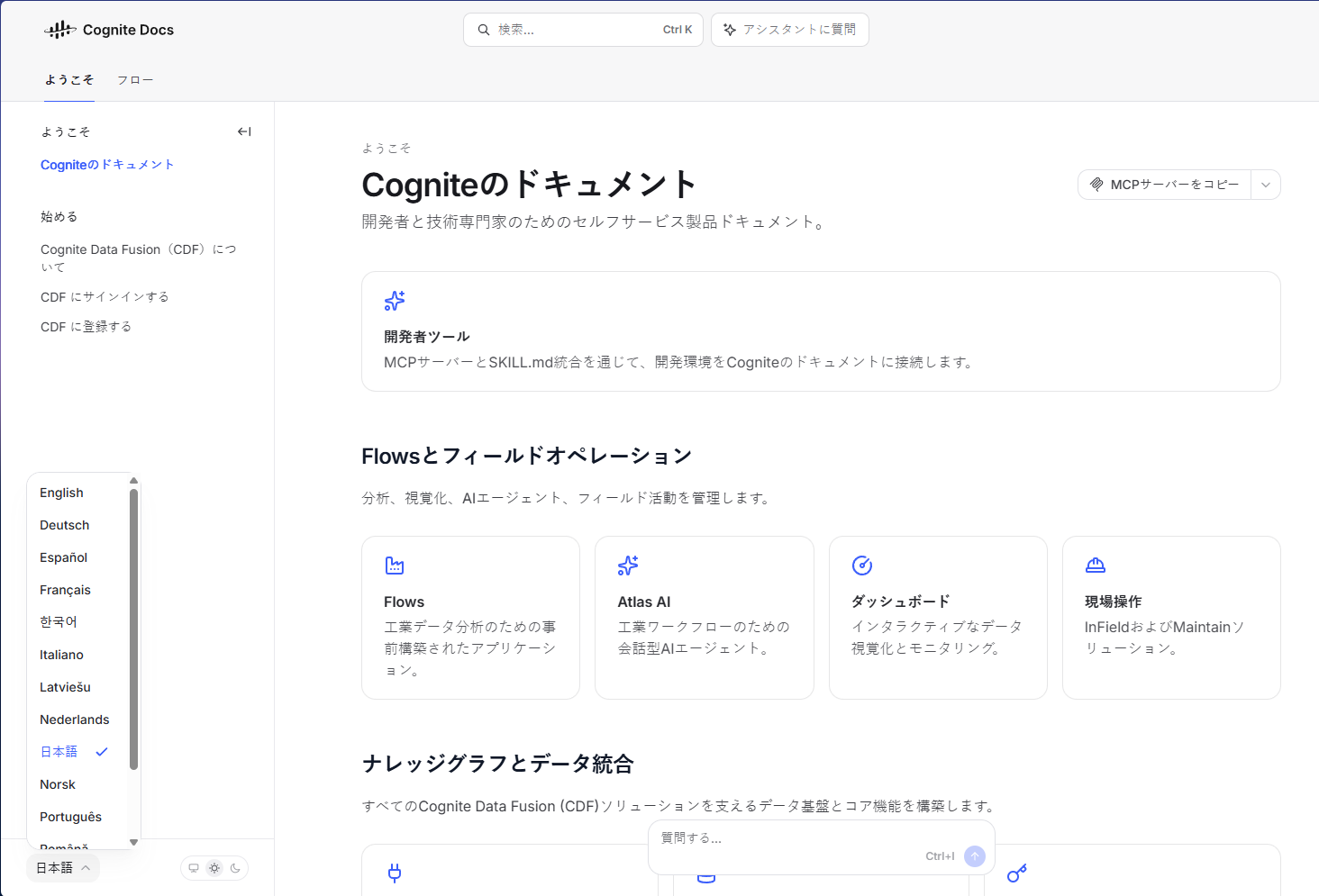
We also leverage AI for global localization. This platform allows us to scale to many languages on demand, significantly increasing our speed and consistency while reducing costs for our global users.